
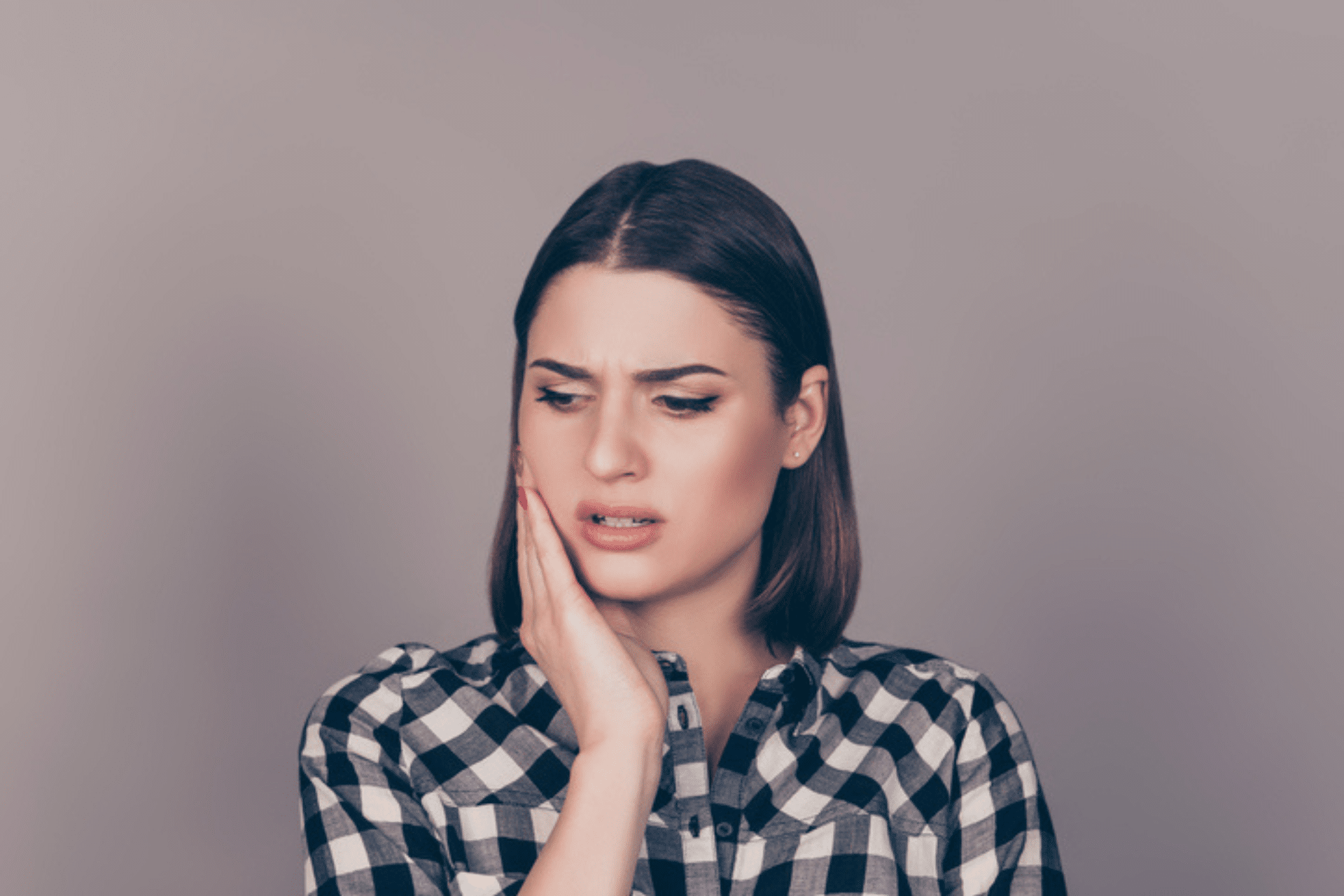
At Vaught Orthodontics, Dr. Bob Vaught and Dr. Kate Vaught assesses how the teeth, bite, and jaws work together for patients in Richmond Hill, GA. They can check whether tooth alignment may be part of the problem or whether another type of care should come first.
What Does Your Bite Have to Do With Jaw Comfort?
Your bite is the way your upper and lower teeth meet. Ideally, they should come together without forcing your lower jaw to slide or search for a steady position.
When some teeth touch before others, the jaw may shift to avoid that contact. A crossbite, deep bite, open bite, underbite, or other alignment problem can also change how pressure is spread during chewing.
You may notice that your teeth meet unevenly, your jaw moves to one side, or chewing feels easier on one side. Other signs may include tired jaw muscles, uneven tooth wear, stiffness, clicking, headaches, or soreness near the ears.
These signs can occur with temporomandibular disorders, often called TMD. However, they do not prove that your bite is the cause. TMJ is the name of the jaw joint. TMD is a wider term for problems that affect the joint, chewing muscles, and nearby tissues.
Cleveland Clinic explains that temporomandibular disorders can cause jaw pain, stiffness, clicking, and trouble moving the jaw. An orthodontic exam can help show whether the way your teeth meet may be linked to your symptoms.
When Might Jaw Pain Have Another Cause?
Jaw pain is not always tied to tooth alignment. Even if your teeth are crowded or your bite is uneven, another habit or health issue may be more important.
Clenching and grinding can overwork the chewing muscles, especially during sleep. Stress can increase muscle tension and make these habits more common. Tooth pain, swelling, arthritis, past injuries, and joint problems can also cause pain around the jaw.
More than one cause may be present. For example, you may have an uneven bite and also grind your teeth at night. Moving the teeth would not stop the grinding habit or treat swelling inside the joint.
The timing of your symptoms may offer useful clues. Soreness in the morning may be linked to clenching at night. Pain that grows while chewing may involve the teeth, muscles, joint, or bite. Pain that starts after an injury needs a different type of review than pain that develops over time.
Seek prompt dental or medical care for severe pain, swelling, repeated locking, trouble opening your mouth, or a sudden change in your bite.
What Happens During an Orthodontic Evaluation for Jaw Pain?
An orthodontic exam looks at more than whether your teeth seem straight. The orthodontist checks how the teeth touch, how the jaw moves, and whether an alignment issue causes the jaw to shift.
Your visit may include an exam, photos, digital scans, dental X-rays, or other records when needed. The orthodontist may ask when the pain began, whether it affects one or both sides, and what makes it better or worse.
The exam may include watching how your jaw opens and closes. The orthodontist may also check for tooth wear, heavy contact on certain teeth, sore muscles, and recent bite changes.
You may be asked about clenching, grinding, clicking, locking, past injuries, headaches, facial tension, or chewing mostly on one side. These details help compare your symptoms with the exam findings.
If tooth position or bite balance seems important, the orthodontist can explain which changes may help. If another cause seems more likely, you may be referred to a dentist, doctor, physical therapist, or another trained provider.
Can Braces or Invisalign Help Bite-Related Jaw Pain?
Braces or Invisalign may be considered when an exam shows that tooth position or bite balance needs to improve. Treatment can change how the upper and lower teeth meet and may reduce one source of strain.
Orthodontic treatment may correct a crossbite that makes the jaw shift as it closes. It can also address crowding, spacing, uneven tooth contact, a deep bite, or another issue that affects chewing.
The right option depends on the tooth movements you need. Some cases can be treated with Invisalign, while others may be better suited to braces.
Orthodontic care can improve bite function. However, it may not remove pain caused by grinding, arthritis, injury, muscle tension, or a joint condition. The plan should be based on the exam, not on jaw pain alone.
As the teeth move, your bite may feel different for a short time. Mild tooth soreness is common, but growing or lasting jaw pain should be reported to your orthodontist.
What Should You Remember About Jaw Pain and Your Bite?
Jaw pain does not always mean you need braces. Still, your bite may play a role if the jaw shifts as you close, pressure falls unevenly on the teeth, or the muscles keep working to adjust.
Clenching, grinding, and joint problems can cause many of the same signs. A careful exam is needed before deciding whether orthodontic care belongs in your plan.
Could an Orthodontic Evaluation Clarify Your Jaw Pain?
A focused exam can show whether your teeth meet evenly, whether your jaw shifts as you close, and whether an orthodontic issue needs care.
At Vaught Orthodontics, Dr. Bob Vaught and Dr. Kate Vaught provide care for children, teens, and adults in Richmond Hill, GA and surrounding communities. They review your bite, jaw movement, symptoms, and goals before making a recommendation.
Schedule a consultation at the Richmond Hill office to learn whether your bite may be linked to your discomfort. The visit can also help show when dental or medical care may be a better next step.